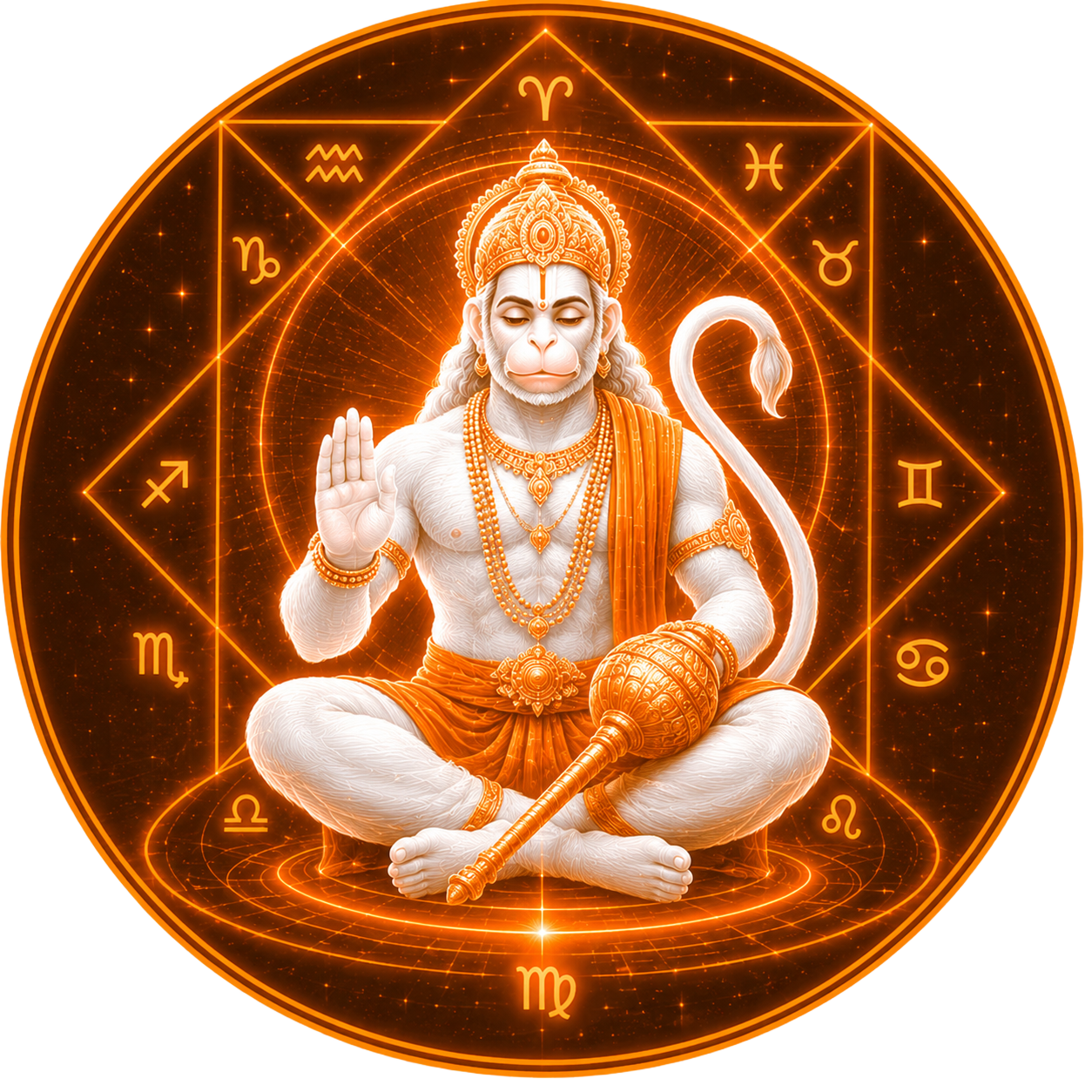
Ganesh Chaturthi 2026, observed on the Chaturthi Tithi of Shukla Paksha in Bhadrapada month, signifies the arrival of Lord Ganesha, the Vighnaharta, to Earth, offering us a profound opportunity to dissolve karmic obstacles and refine our intellect. This annual sacred window, especially during the auspicious Madhyahna Kala, is not merely a ritualistic observance but a potent spiritual alignment for those seeking clarity and success in their life's journey.
What is the Astrological and Spiritual Significance of Ganesh Chaturthi?
Ganesh Chaturthi, also affectionately known as Vinayaka Chaturthi or the Ganpati festival, marks the revered birth anniversary of Lord Ganesha, the deity who presides over wisdom, intellect, and the removal of obstacles. In Vedic astrology, the planet Mercury (Buddha Graha) is deeply associated with intellect, discrimination (Buddhi), and communication, qualities intrinsically linked to Ganesha. Celebrating Ganesh Chaturthi, particularly as we look towards 2026, is therefore an act of invoking and strengthening these Mercurial energies within our own charts.
The observance typically falls on the fourth day (Chaturthi (lunar day)) of the bright fortnight (Shukla Paksha) in the Hindu month of Bhadrapada. This specific Tithi holds immense power. The number four, in spiritual terms, often represents stability, foundation, and creation. When a benefic like Ganesha is worshipped on his designated Tithi, its potency is magnified. The Moon's position on this day, often in a specific Nakshatra (lunar mansion or constellation) that resonates with Mercury or Ketu (another planetary significator of spiritual insight and detachment, deeply connected to Ganesha), further amplifies the spiritual vibrations. As of 2026, Ganesh Chaturthi will be observed on Tuesday, August 25, 2026. The Chaturthi Tithi begins at 04:32 AM on August 25 and concludes at 02:24 AM on August 26, 2026.
Beyond the calendar date, the deeper significance lies in Ganesha's role as the 'Vighnaharta,' the remover of Vighnas (obstacles). These aren't just external impediments; often, the most significant obstacles are internal – self-doubt, confusion, procrastination, or an inability to commence new ventures. From an astrological perspective, a weakened Mercury in one's Kundali (birth chart), or challenging transits affecting the 5th House (house of intellect and discernment) or 9th House (house of higher wisdom and dharma), can manifest as such blocks. Worshipping Ganesha during Ganesh Chaturthi is a powerful Upaya (remedial measure) to fortify these astrological weak points and align oneself with divine intellect and auspicious beginnings. Ancient texts like the Ganesha Purana extol his virtues, emphasizing that no auspicious ritual or endeavor should commence without first invoking him.
How Can We Best Perform Ganesh Puja with Madhyahna Observance in 2026?
The essence of Ganesh Puja during Ganesh Chaturthi 2026 lies in the precise timing of the Madhyahna Kala (midday period), which is considered the most auspicious window for Ganesh Sthapana (installation) and the main worship. This period, approximately between 11:00 AM and 01:30 PM, is when Lord Ganesha is believed to have been born. For 2026, the specific Madhyahna Puja Muhurta will typically fall between 11:15 AM to 01:45 PM on August 25th, though local sunrise and sunset timings will dictate precise minutes. Consulting a local Panchang (Hindu almanac) or an ASTROLIFE astrologer for your exact location's Shubh Muhurta (auspicious time) is always recommended for optimal benefit.
The Puja (ritualistic worship) involves several key steps. First, the idol of Lord Ganesha is installed, ideally made of clay, symbolizing our connection to the earth element and humility. This Pran Pratishtha (consecration ritual) breathes life into the idol, inviting the deity's presence. Offerings, known as Naivedyam, are central. Lord Ganesha's favorites include Modak (sweet dumplings), Laddoo, and various fruits. The offering of Durva grass (three-bladed grass) is particularly significant, with tradition dictating 21 blades being offered. This grass, known for its resilience and ability to purify, symbolizes longevity and perseverance – qualities Ganesha bestows.
Recitation of Ganesha Mantras (sacred utterances) like 'Om Gam Ganapataye Namaha' or the Ganesh Atharvashirsha should be performed with devotion. The chanting should ideally be done for a minimum of 108 times, corresponding to the traditional number of beads on a Japa Mala (prayer beads). This practice not only calms the mind but also creates powerful energetic vibrations. The duration of the festival varies by family tradition, from 1.5 days to 10 days, culminating in the Visarjan (immersion) of the idol, symbolizing Ganesha's return to Kailash and taking away all obstacles with him. This ritualistic cycle helps us to connect with the cosmic energies that ebb and flow, demonstrating that every beginning has an end, and every end leads to a new beginning.
What Remedies and Blessings Does Lord Ganesha Offer to the Devotee?
Beyond the general removal of obstacles, Lord Ganesha offers very specific blessings that resonate deeply with astrological principles. For individuals struggling with Mercury-related issues in their chart – such as difficulties in education, speech impediments, nervous system issues, or struggles in business and communication – sincere worship during Ganesh Chaturthi can act as a powerful Upaya. It helps to strengthen Buddhi, leading to enhanced clarity of thought and decision-making. The Ganesha Purana, a primary scriptural text dedicated to Lord Ganesha, asserts that devotion to him can alleviate the malefic effects of various planetary periods, particularly the Dasha (planetary period) of Mercury or Ketu, bringing spiritual wisdom and material success (Siddhi) alike.
A surprising, yet profound, insight often missed by many is Ganesha's role in gracefully concluding cycles. While he is universally known for blessings new beginnings, his nature as the Lord of Endings is equally significant. Astrologically, this connects to Ketu, which signifies detachment and Moksha (liberation). Many individuals face immense difficulty in letting go of situations, relationships, or even painful Karma (actions and their consequences). By invoking Ganesha, one gains the strength to complete ongoing cycles, whether a challenging Dasha, a difficult project, or a phase of life, with wisdom and minimal resistance, clearing the path for truly new, unencumbered beginnings. This is not just about removing blocks to start, but also about removing blocks to finish well.
Additionally, Ganesha bestows Siddhi (accomplishments and spiritual powers) and Buddhi (intellect). The symbolism of his large head represents vast knowledge, while his small eyes denote acute concentration. His single tusk signifies the ability to retain good and cast away the bad, an invaluable asset in navigating life's complexities. Devotees often find an enhanced ability to focus, learn new skills, and make sound judgments after sustained Ganesha worship. ASTROLIFE encourages practitioners to meditate on these symbolic aspects of Ganesha during their puja, rather than merely performing rituals mechanically, for a deeper connection and more potent remedial effect.
What Common Misconceptions Surround Ganesh Chaturthi Observance?
One prevalent misconception regarding Ganesh Chaturthi is that the deity is primarily worshipped for material gains or simply to ensure a smooth start to new ventures. While Ganesha certainly blesses these aspects, his profound spiritual significance as the Lord of Buddhi and Siddhi is often overshadowed. Many tend to focus solely on external prosperity, overlooking the internal transformation – the purification of the intellect and the development of discerning wisdom – which is Ganesha's true gift. As Sage Parashara indicates in the Brihat Parashara Hora Shastra, the 5th House, governed by Buddhi, is crucial for spiritual progress, and Ganesha is its ultimate patron. Neglecting this inner dimension reduces the puja to a mere formality.
Another common misunderstanding revolves around the concept of 'Vighnaharta.' People often expect Ganesha to magically remove *all* troubles, regardless of their own actions or past Karma. However, Ganesha's role is not to negate the law of Karma. Instead, he helps to remove the *mental blocks* that prevent us from seeing solutions, developing resilience, or understanding the lessons embedded within our challenges. He clears the path for our efforts to bear fruit, but the effort must still be ours. This distinction is vital for a mature spiritual practice. The obstacles Ganesha removes are often those of ignorance, inertia, and a clouded intellect, allowing us to act with greater clarity and purpose.
Furthermore, the grandeur of the Ganpati festival sometimes leads to an overemphasis on elaborate decorations and large-scale celebrations, potentially detracting from the core devotional aspect. While communal celebration is wonderful, the true power of Ganesh Chaturthi lies in the sincerity of the Puja and the purity of intent. A simple, heartfelt worship performed at home, with genuine devotion, adhering to the Madhyahna Muhurta, and offering simple Sattvic (pure, harmonious) items like Durva grass and Modak, can be far more potent than an extravagant display lacking inner connect. Remember, the divine responds to the heart, not just the spectacle.
सामान्य प्रश्न
Q: What is the significance of the Madhyahna Kala for Ganesh Puja?
A: The Madhyahna Kala, or midday period, is supremely significant because it is believed to be the precise moment of Lord Ganesha's birth. Performing Ganesh Sthapana and the main Puja during this time, usually between 11 AM and 1:30 PM, ensures maximum auspiciousness and connects the devotee directly with the intense divine energies present during his manifestation. This timing is rooted in classical texts and local Panchangs.
Q: Can people of any Rashi or Lagna worship Lord Ganesha?
A: Absolutely. Lord Ganesha is a universal deity, worshipped across all Rashis (zodiac signs) and Lagnas (ascendants or rising signs), irrespective of their individual planetary placements. While specific astrological challenges might prompt intensified devotion, his blessings of wisdom and obstacle removal are available to everyone. He is the first invoked deity in almost all Vedic rituals, signifying his foundational role.
Q: What are the essential offerings for Ganesh Chaturthi 2026 Puja?
A: The most essential offerings include 21 blades of Durva grass, Modak (sweet dumplings), Laddoo, fresh flowers (especially red hibiscus), and fruits like bananas. Additionally, incense sticks, a lamp with ghee, and sandalwood paste are used. The key is devotion, as even a simple offering made with a pure heart is highly valued.
Q: Is it mandatory to perform Ganesh Visarjan?
A: Yes, performing Ganesh Visarjan, the immersion of the idol, is an integral part of the Ganesh Chaturthi festival. It symbolizes Lord Ganesha's return to his divine abode and represents the cyclical nature of creation and dissolution. The Visarjan is typically done on the last day of the observance (1.5, 3, 5, 7, or 10 days after Sthapana) with respect and reverence, usually in a water body.
Q: How can I make my Ganesh Chaturthi observance more spiritually meaningful?
A: Beyond the rituals, cultivate inner devotion by meditating on Ganesha's qualities: wisdom, discernment, and grace. Chant his mantras with focused intention, read stories from the Ganesha Purana, and strive to overcome your own internal obstacles (Vighnas) through self-reflection and conscious action. Engaging with the spiritual meaning behind each step of the Ganesh puja, rather than merely performing it, deepens its impact.