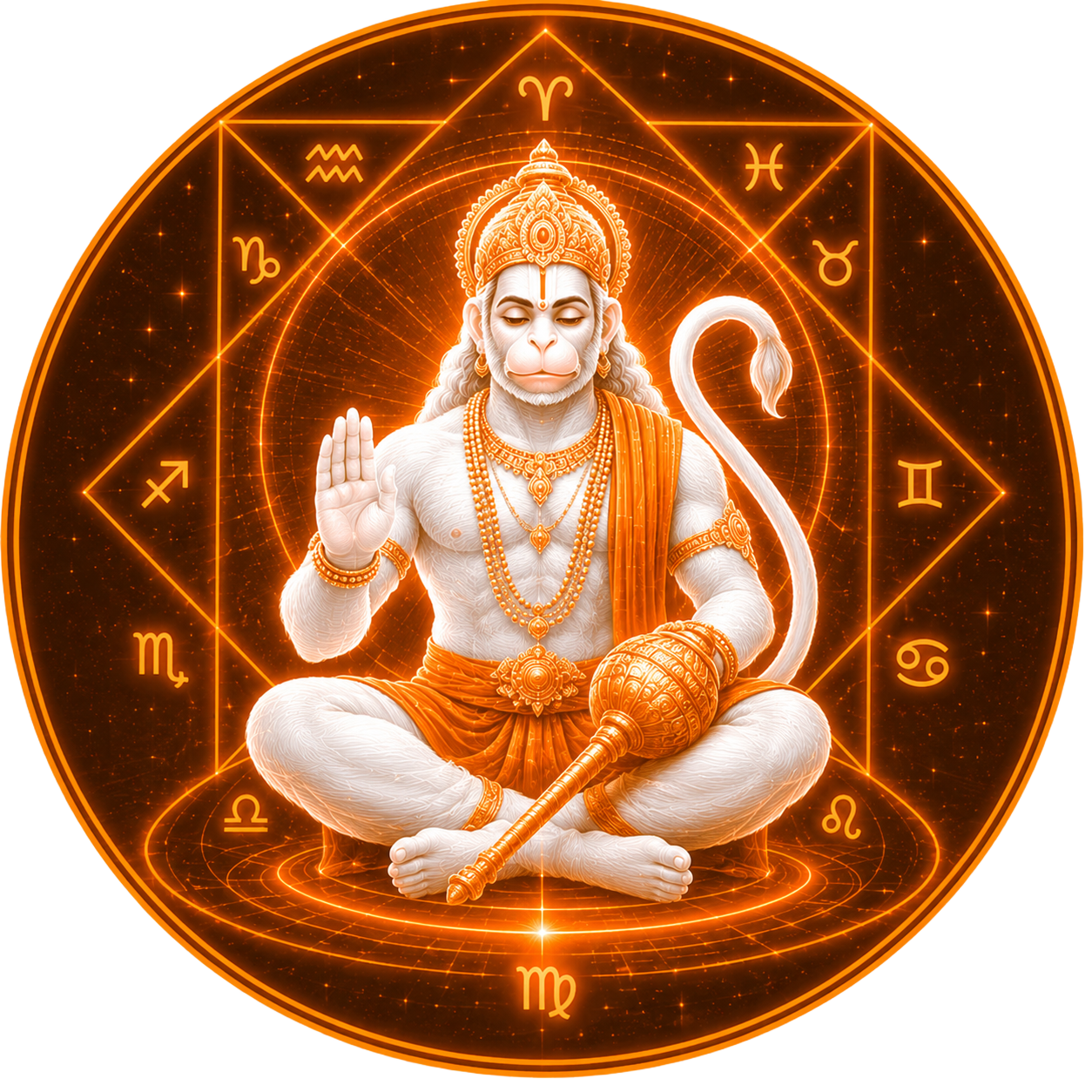
In the timeless narrative of the Devi Mahatmya, a revered section within the Markandeya Purana, we encounter the magnificent emergence of Mahadevi, the Great Goddess. Faced with the seemingly insurmountable power of the demon Mahishasura, all the gods, finding their individual potencies insufficient, pooled their divine energies. From this collective effulgence, a radiant, all-encompassing feminine form manifested – Durga, the embodiment of Shakti, the ultimate cosmic power. This ancient tale is not merely a mythological account of victory over evil; it is a profound philosophical statement on the nature of reality, reminding us that even the most formidable challenges can be overcome when the fragmented aspects of divine energy converge into a unified, dynamic force.
As we approach Navratri 2025, this same principle of Shakti's resurgence becomes profoundly relevant. These nine sacred nights offer a rare opportunity to connect with that primal, creative energy that animates not just the universe, but also our very being. It is a period when the veil between the manifest and unmanifest thins, inviting us to look beyond the mundane and grasp the deeper astrological currents at play. As a practitioner for over two decades, I've observed how consciously engaging with this festival astrology can catalyse significant inner shifts for my clients, harmonising their individual planetary configurations with the broader cosmic rhythm.
The Cosmic Dance of Shakti and Celestial Rhythms
Navratri, particularly Sharad Navratri, which falls in the Hindu lunar month of Ashwin, is intrinsically linked to celestial movements. Traditionally commencing on the first day of the Shukla Paksha (waxing phase of the moon), it marks a significant energetic shift. During Navratri 2025, as the Sun transitions through certain Rashis (zodiac signs), and the Moon gains strength, the atmospheric energy becomes charged with a particular dynamism. Each of the nine forms of Devi worshipped during Navratri—Shailaputri, Brahmacharini, Chandraghanta, Kushmanda, Skandamata, Katyayani, Kalaratri, Mahagauri, and Siddhidatri—represents a distinct facet of Shakti, corresponding to different phases of creation, preservation, and transformation.
From an astrological perspective, these nine nights allow us to engage with the planetary energies that govern our lives. For instance, the fierce aspect of Devi Kalaratri aligns with the potent energies of planets like Mars or Ketu, urging us to confront our inner demons and fears. Conversely, the serene Mahagauri resonates with Venus and the Moon, fostering purity and grace. A well-placed Lagna (ascendant or rising sign), particularly in a fiery or watery Rashi, might feel this surge of Shakti more intensely, prompting deep introspection or a powerful drive towards spiritual practice. The Dasha (planetary period) one is currently undergoing also plays a role; a Dasha of a benefic planet might amplify the positive, expansive energies, while a challenging Dasha could present opportunities for profound healing and karmic release through devotion to Devi. The nine days of Navratri are governed by the Tithis, the lunar days, which delineate the specific energies available for spiritual practices.
Navratri 2025: Beyond Rituals to Inner Alchemy
Many perceive Navratri as a mere observance of rituals and fasts, but its astrological and philosophical depth goes far beyond. It is an annual cosmic invitation to engage in inner alchemy, aligning the individual soul (Jivatma) with the universal soul (Paramatma) through the conduit of Shakti. This perspective draws heavily from Samkhya philosophy, which posits Prakriti (the primordial matter or nature, synonymous with Shakti) as the dynamic, creative principle, and Purusha (consciousness) as the passive observer. During Navratri, we seek to purify Prakriti within us, allowing Purusha to reflect its true, untainted form. Mars, as the karaka (significator) of courage and inner strength, finds a profound resonance with the warrior aspect of Devi during this period, encouraging us to cultivate mental fortitude.
For those familiar with Jyotish (Vedic astrology), the Navratri period can be particularly potent for specific remedies or spiritual practices. If your chart indicates a weak Moon, perhaps afflicted by Rahu or Ketu, devotion to Devi, especially Chandraghanta, can help strengthen its influence, promoting emotional stability and intuition. Similarly, a challenging placement of Saturn or Jupiter might find solace and redirection through chanting mantras dedicated to the relevant forms of Devi. This isn't about blind faith, but about intelligently aligning our individual energetic signature with the auspicious cosmic currents of the Navratri 2025 period, facilitating a smoother flow of Dharma (righteous conduct and cosmic law) in our lives. The Nakshatra (lunar mansion) the Moon transits each day also adds a layer of specific energy to the daily observances.
Myth vs. Reality in Navratri Observances
The vast spiritual landscape of India often sees profound philosophical truths crystallise into popular beliefs, some of which diverge from their original intent. Navratri, with its deep roots in festival astrology and the worship of Shakti, is no exception. It is crucial to sift through common misconceptions to truly grasp its essence.
Myth: Navratri is solely about fasting and elaborate pujas to appease the gods for material gain. Reality: While fasting and pujas are important components, their primary purpose is purification and concentration. The real essence of Navratri lies in introspection, cultivating inner strength, and aligning with the cosmic feminine principle of Shakti. The external rituals are a vehicle for internal transformation, not a transactional exchange for worldly desires. True appeasement comes from aligning one's actions and intentions with Dharma.
Myth: Any planetary remedy or mantra chanted during Navratri automatically becomes super-powerful, guaranteeing instant results. Reality: This is a common oversimplification, often propagated by those who misunderstand the nuanced mechanics of Jyotish. Navratri 2025, indeed, offers an auspicious and potent energy field, making sincere spiritual efforts more effective. However, the efficacy stems from the *cultivation of an inner state of receptivity and devotion*, rather than the festival magically amplifying remedies irrespective of intent or consistent effort. The true power lies in the alignment of your will with the divine will, not in a passive, external boost. This period facilitates deeper connection, making dedicated practice more fruitful, but it does not bypass the need for genuine sadhana and karmic considerations.
Myth: The nine forms of Devi are distinct deities to be worshipped separately, each granting different boons. Reality: The Navadurga are not nine separate goddesses but nine manifestations or aspects of the one ultimate Shakti. They represent different qualities, stages, or energies of the same supreme divine feminine. Worshipping them sequentially is a symbolic journey through the various facets of creation, sustenance, and dissolution, helping us to integrate these diverse energies within ourselves and recognise the singular, unified consciousness (a core tenet of Advaita Vedanta) that underlies all phenomena.
Navratri 2025: A Call to Conscious Living
The true significance of Navratri 2025, for any serious student of Jyotish and Sanatana Dharma, lies in its capacity to awaken our dormant spiritual potential. It is a period where the cosmic energy, Shakti, becomes more accessible, inviting us to shed old patterns, cleanse our subtle bodies, and reconnect with our divine source. Each day offers a unique energetic signature, influenced by the prevailing Tithi, Nakshatra, and planetary positions, providing a tailored opportunity for specific spiritual work. Observing Navratri with consciousness means understanding these layers—not just the stories, but the deeper philosophical underpinnings of Samkhya, the Advaitic realization of non-duality, and the practical applications through festival astrology.
Embrace these nine nights not merely as a festive occasion, but as a profound spiritual retreat. Engage with the energies of each Devi, understand their astrological correlations, and allow the inner transformation to unfold. The blessings of Navratri 2025 extend beyond any material gain, offering a path to deeper self-awareness, inner peace, and a more profound connection to the universal Shakti that sustains all existence.
सामान्य प्रश्न
Q: What is the primary astrological significance of Navratri?
A: Navratri holds primary astrological significance as a period of heightened cosmic energy, particularly the divine feminine principle of Shakti. The nine nights are aligned with specific lunar phases (Tithis) and planetary positions, making them exceptionally conducive for spiritual practices, introspection, and purification, helping individuals harmonise their personal charts with universal energies.
Q: Can Navratri 2025 influence my Dasha period or planetary transits (Gochara)?
A: While Navratri doesn't fundamentally alter your Dasha or Gochara, it provides an auspicious energetic environment that can mitigate malefic effects or amplify benefic influences within these periods. Sincere spiritual efforts during this time can make you more receptive to positive outcomes and provide strength to navigate challenges presented by difficult planetary transits or Dashas.
Q: Are certain Rashis (zodiac signs) or Lagnas (ascendants) more affected by Navratri's energies?
A: Individuals with prominent placements in watery signs (Cancer, Scorpio, Pisces) or fiery signs (Aries, Leo, Sagittarius) in their Rashi or Lagna may feel the emotional and spiritual intensity of Navratri more acutely. However, the universal energy of Shakti is accessible to all, irrespective of their specific chart, simply requiring an open heart and conscious participation.
Q: Is there a particular day during Navratri 2025 that is most potent for specific astrological remedies?
A: Each of the nine nights is potent in its own way, corresponding to a different form of Devi and her unique energies. For example, the eighth day (Ashtami) dedicated to Mahagauri or Kalaratri is often considered powerful for invoking courage and purification, while the ninth day (Navami) dedicated to Siddhidatri can aid in attaining spiritual accomplishments. Tailoring your practice to your specific astrological needs and the corresponding Devi's energy can be highly effective.
Q: How can I best utilise the astrological energies of Navratri 2025 for my personal growth?
A: To best utilise Navratri's energies, focus on practices that foster inner cleansing, meditation, and devotion to the divine feminine. Reflect on the aspects of your life that need transformation, align your intentions with the specific qualities of the Devi worshipped each day, and engage in mantra chanting or quiet contemplation. This conscious engagement will help you draw maximum benefit from this powerful period.