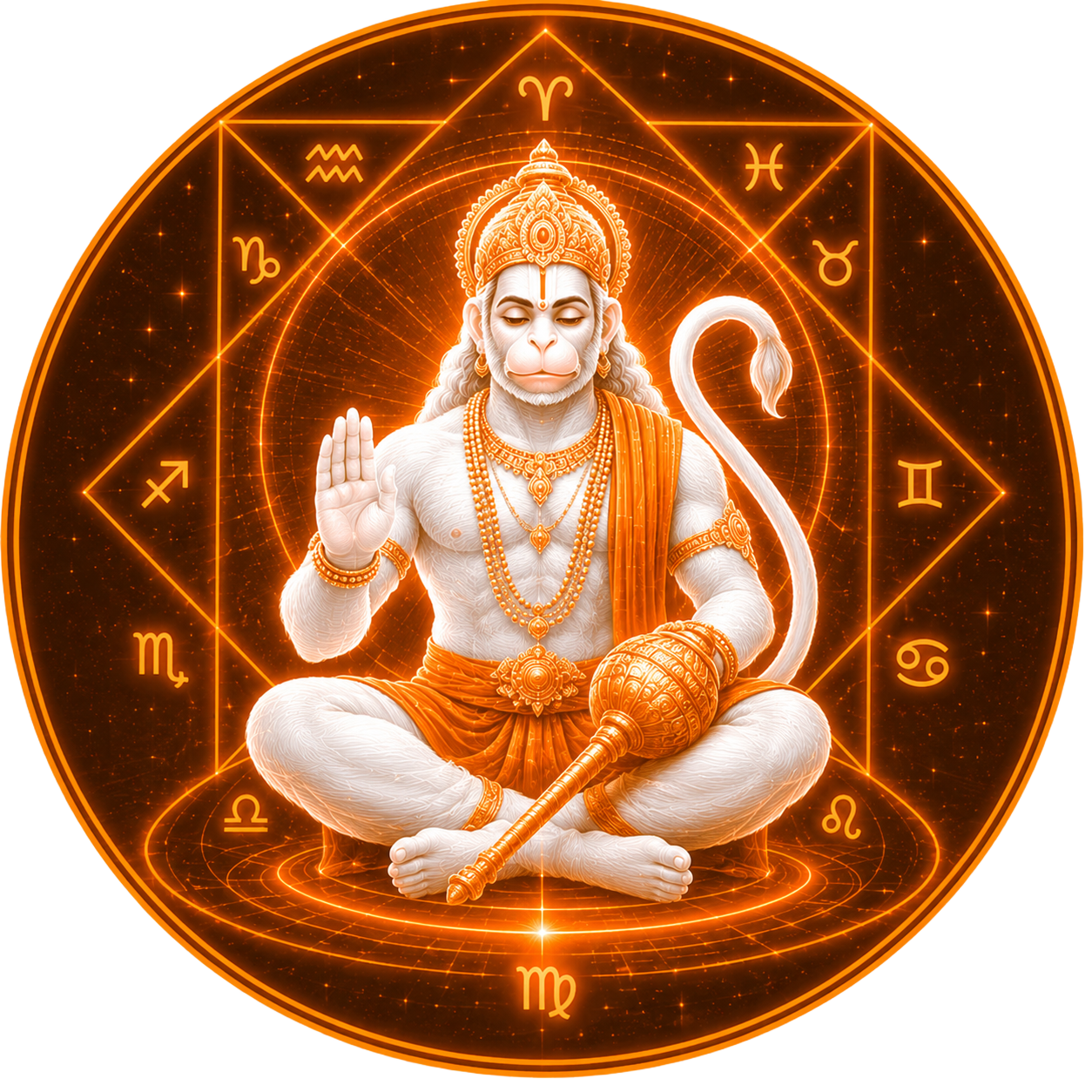
Yantra worship is a potent spiritual technology that leverages sacred geometry to align our personal energy with universal cosmic forces, fostering balance and manifestating desires. The best way to understand a yantra is to see it as a visual mantra, a geometric representation of a deity or a specific energetic frequency, designed to attract and concentrate specific energies into your environment and being.
In the venerable *Lalita Sahasranama*, a hymn extolling the thousand names of Goddess Lalita Tripurasundari, She is reverentially described as 'Chakraraja-ratharudha-sarvayudha-pariskrta' – She who is mounted on the chariot of Chakraraja, adorned with all weapons. The Chakraraja here is none other than the magnificent Sri Yantra, the Queen of all Yantras, depicted as Her very abode and vehicle of cosmic manifestation. This isn't mere poetic fancy; it underscores the profound Vedic understanding that divine power doesn't just reside in abstract realms, but can be invoked and anchored through precise energetic blueprints. For millennia, our Rishis and Yogis understood that the universe speaks in patterns, and these patterns, when correctly drawn and energized, become living conduits. Today, in our increasingly complex world, these ancient remedies are more relevant than ever, offering a tangible path to inner peace and outer success amidst the chaos. As of 2026, the resurgence of interest in these ancient Vedic remedies is reaching unprecedented levels, as modern psychology increasingly validates the power of focused intention and symbolic representation.
What is the True Power of a Yantra in Vedic Tradition?
At its core, a yantra is a tool, a visual meditation device, and an energetic amplifier. The word 'yantra' itself is derived from the Sanskrit root 'yam,' meaning 'to hold, to support,' and 'tra,' meaning 'instrument' or 'tool.' So, it's an instrument that supports or holds a particular energy. Think of it as a circuit diagram for consciousness. Just as a physical circuit board channels electricity for a specific function, a yantra channels prana – life force energy – for a specific spiritual or material purpose. Every line, dot, triangle, and lotus petal within a yantra is not arbitrary; it represents a specific aspect of the cosmos, a planetary influence, a specific Devata (deity), or a quality of consciousness. For example, a square often denotes earthly stability, triangles represent Shiva (upward) and Shakti (downward) energies, and circles symbolize the cosmic expansion. When you engage with a yantra, you are not just looking at a drawing; you are interacting with a sophisticated energetic architecture.
Our ancient texts, particularly the Tantric scriptures and the Puranas, are replete with descriptions of various yantras and their specific applications. The *Yantra Chintamani* by Swami Vishudhananda Saraswati, for instance, details hundreds of yantras, each meticulously designed to address different aspects of life, from protection and healing to wealth and spiritual liberation. These aren't just symbols; they are sacred geometry remedies, a profound science designed to rectify imbalances in our subtle energy field. The true power emerges from the intention, the precise geometric formulation, and the accompanying Mantra (sacred sound vibration) that activates it. Here at ASTROLIFE, we have witnessed countless individuals experience tangible shifts in their lives – from easing financial burdens to improving interpersonal relationships – simply by integrating the appropriate yantra into their daily practice with sincere dedication.
Why is the Sri Yantra Considered the King of All Yantras?
Among the myriad of yantras, the Sri Yantra stands supreme, often referred to as the 'Chakraraja' or 'King of Yantras.' Its intricate design is not just beautiful; it's a profound diagram of the cosmos and the human body, embodying the principle of creation itself. The Sri Yantra is composed of nine interlocking triangles – four pointing upwards, representing the masculine energy (Shiva), and five pointing downwards, representing the feminine energy (Shakti). These nine triangles intersect to form 43 smaller triangles, each symbolizing a particular aspect of the Divine. At the very center, the 'Bindu,' represents the origin of the universe, the point of pure consciousness from which all manifestation emerges. It is a visual representation of the journey from the multiplicity of creation back to the singularity of the Absolute.
The magnificence of the Sri Yantra is eloquently described in the *Soundarya Lahari*, a devotional poem attributed to Adi Shankara, where it is presented as the mystical abode of Devi Lalita Tripura Sundari, the most beautiful goddess of the three worlds. Verse 11, for example, metaphorically describes the Sri Yantra's centrality to Devi's worship and power. Its complexity reflects the multi-layered nature of existence, encompassing the physical, mental, and spiritual planes. Worshipping or meditating upon the Sri Yantra is believed to invoke the energy of abundance, harmony, and spiritual growth. It acts as a powerful magnet for wealth, prosperity, and overall well-being, not just materially, but also spiritually, by balancing the Chakras (energy centers) within the body and awakening the Kundalini (spiritual energy).
How Do We Practically Engage with Yantra Energy?
Engaging with a yantra is not about passive display; it's an active practice, a form of Puja (worship ritual) that connects you to its energetic blueprint. While a true yantra consecration involves elaborate rituals performed by experienced priests, you can begin to harness its power in simple yet profound ways in your daily life. It’s a journey of intention and consistency, much like learning to read a complex Jyotish chart with its intricate Nakshatras, Dashas, Rashis, and Lagnas. Here’s a basic, yet powerful, step-by-step approach to begin your practice with a yantra, especially the Sri Yantra:
-
Acquire an Authentic Yantra:
Ensure your yantra, especially a Sri Yantra, is accurately etched or drawn, ideally on copper, gold, or silver, as these metals are excellent conductors of energy. Avoid poorly made or geometrically incorrect versions; precision is paramount in sacred geometry.
-
Choose a Sacred Space:
Select a clean, undisturbed corner in your home or office. This space should ideally be the North-East corner, considered auspicious for spiritual practices in Vastu Shastra. Place the yantra on a clean cloth or altar, ensuring it faces either East or North.
-
Purification and Preparation:
Before beginning, gently wipe the yantra with clean water or rose water. Light a lamp (diya) and incense (agarbatti) near it. Offer a fresh flower or a pinch of kumkum. Sit comfortably, facing the yantra, and take a few deep breaths to center yourself.
-
Focus and Intention:
Gaze softly at the yantra, starting from the outermost part and slowly moving your focus inward towards the central Bindu. As you do this, silently or audibly recite the associated mantra (e.g., Om Hreem Shreem Lakshmībhyo Namaha for Sri Yantra). Hold a clear intention for what you wish to attract or manifest, whether it's abundance, peace, or clarity.
-
Consistency is Key:
Practice this daily, even for just 10-15 minutes. Regular engagement builds a strong energetic connection. Many practitioners commit to a 40-day sadhana (spiritual discipline) to fully integrate the yantra's energy. Remember, the effectiveness of a yantra, much like any spiritual practice, is profoundly amplified by sustained effort and unwavering faith. It's a dialogue with the divine, not a one-time transaction.
What are Some Common Misconceptions About Yantra Worship?
One prevalent misconception about yantra worship is that it's a magical shortcut, a 'get-rich-quick' scheme for spiritual aspirants. While yantras are indeed powerful, they are not a substitute for effort, intention, and ethical conduct. They are amplifiers of your own energy and focus. If your intentions are pure and your actions aligned with your desires, the yantra helps to accelerate their manifestation. However, if your energy is scattered or your intentions are not grounded in dharma (righteous living), even the most potent yantra may yield limited results. It’s like having a high-speed internet connection but still browsing irrelevant sites; the potential is there, but the application matters.
Another subtle but significant misconception is that the yantra's power is *solely* dependent on the intensity of your devotional belief. Many online resources imply that unless you feel profound reverence, it won't work. However, the profound truth, often overlooked, is that a yantra's efficacy also operates on fundamental principles of sympathetic resonance and vibrational physics. The precise geometric patterns themselves create a specific energetic field, a kind of subtle antenna, that can influence its surroundings and the observer's energy, regardless of their initial belief system. It’s akin to how a tuning fork vibrates at a specific frequency irrespective of who strikes it; the geometric structure of a yantra inherently possesses a vibrational signature. While devotion certainly enhances the experience and personal connection, the foundational principles of sacred geometry remedy ensure a baseline level of energetic interaction. For instance, studies on geometric patterns have shown measurable shifts in energy fields and even water molecular structures, suggesting that the influence is both subtle and scientific, not just purely faith-based. The yantra doesn't demand your belief to function, but your focused intention and respect will undoubtedly unlock its deeper layers of power and benefit.
Frequently Asked Questions
Q: What is the primary difference between a Yantra and a Mantra?
A: A Yantra is a visual, geometric representation of a deity or energetic principle, serving as a focal point for meditation and channeling specific energies. A Mantra, conversely, is a sacred sound vibration or sequence of sounds that invokes the same deity or energy through auditory resonance. They are often used together, with the Yantra providing the form and the Mantra providing the sound, enhancing each other's effects.
Q: Can anyone use a Sri Yantra, or are there specific requirements?
A: While anyone can benefit from the positive energies of a Sri Yantra, approaching it with respect and a clear, positive intention is crucial. There are no strict caste or gender requirements, but a clean body and mind, and a dedicated space for its worship, are highly recommended. It's best to learn proper handling and chanting from an experienced practitioner or through reputable resources like ASTROLIFE to maximize its potential.
Q: How long does it take to see results from Yantra worship?
A: The timeframe for experiencing results from Yantra worship varies greatly depending on the individual's sincerity, consistency of practice, the clarity of their intention, and their unique karmic blueprint. Some individuals report subtle shifts within weeks, while others may experience significant transformations after months or even years of dedicated practice. Patience and unwavering faith are key components of this spiritual journey.
Q: Do I need to be initiated to worship a Yantra, especially the Sri Yantra?
A: While a formal Diksha (initiation) from a qualified Guru is traditionally recommended for advanced Yantra Sadhanas, especially those involving complex Tantric practices, you can certainly begin basic worship of a Sri Yantra without initiation. Simple practices focusing on cleanliness, focused gazing, and chanting its associated mantra with pure intention are beneficial for everyone. For deeper spiritual work, seeking guidance from an initiated teacher is advisable.
Q: What if I accidentally disrespect or damage my Yantra?
A: Accidental disrespect or damage to a Yantra is generally not considered catastrophic if it's unintentional. The most important aspect is your underlying reverence and intention. If a Yantra is damaged, it is best to respectfully immerse it in a flowing body of water (like a river or sea) or bury it in a sacred place, and then acquire a new one. Reciting apologies and reaffirming your devotion can also help purify any unintentional transgressions.